Blog

If your child groans, rolls their eyes, or slumps in their chair whenever it is time for history class, don't despair. It is almost never because they actually hate the past—it is because they hate the way the past is being presented to them. History is naturally packed with high-stakes intrigue, international espionage, shocking betrayals, brilliant triumphs, and utterly bizarre coincidences. It has all the elements of a Hollywood blockbuster. It should be the easiest sell of your entire homeschool day! If your current history curriculum feels dry and life-draining, it's time to pivot. Here is how you can completely transform your approach and make history the subject your children look forward to most.

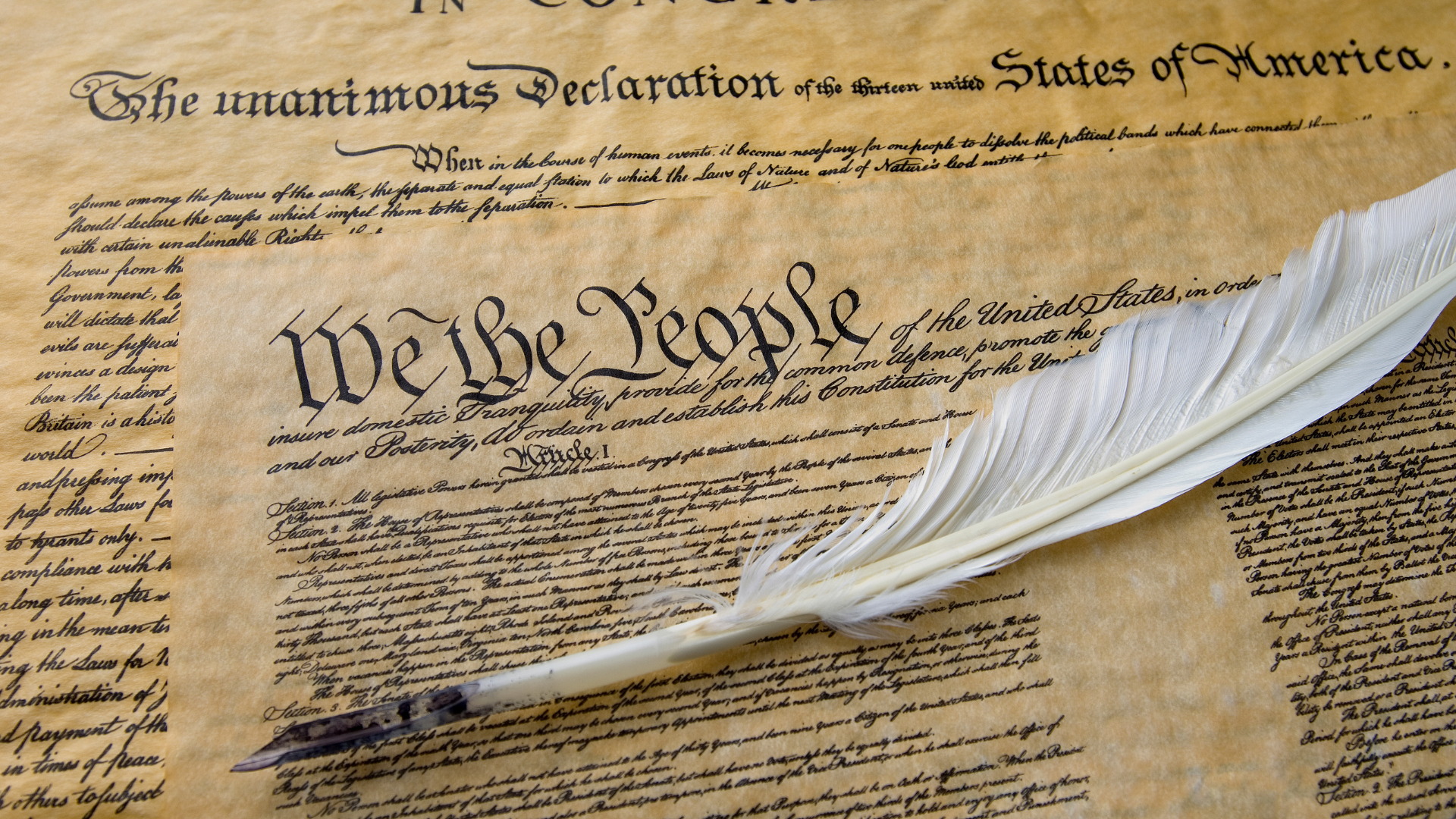
When it comes to teaching American history, homeschoolers have an incredible advantage. Because our nation is relatively young compared to ancient global empires, we have access to an astonishingly massive wealth of direct, unedited voices from the past. Instead of relying on a modern textbook author to summarize what early Americans thought, we can listen to them directly. By pairing the emotional depth of living books with the undeniable authenticity of primary sources, you can create a vibrant, unforgettable American history curriculum.
One of the biggest hurdles children face when learning history is chronological disorientation. Because they learn about different civilizations in chunks, they struggle to understand how events relate to each other across space and time. A child might have a wonderful understanding of the American Revolution and a great grasp of the French Revolution, yet completely fail to realize that Thomas Jefferson and Lafayette were walking the earth at the exact same time, writing letters to one another. Timelines are the ultimate cure for this historical blindness. They allow children to see the big picture of humanity at a single glance. Here are four of the absolute best, most engaging timeline activities you can easily implement in your home.
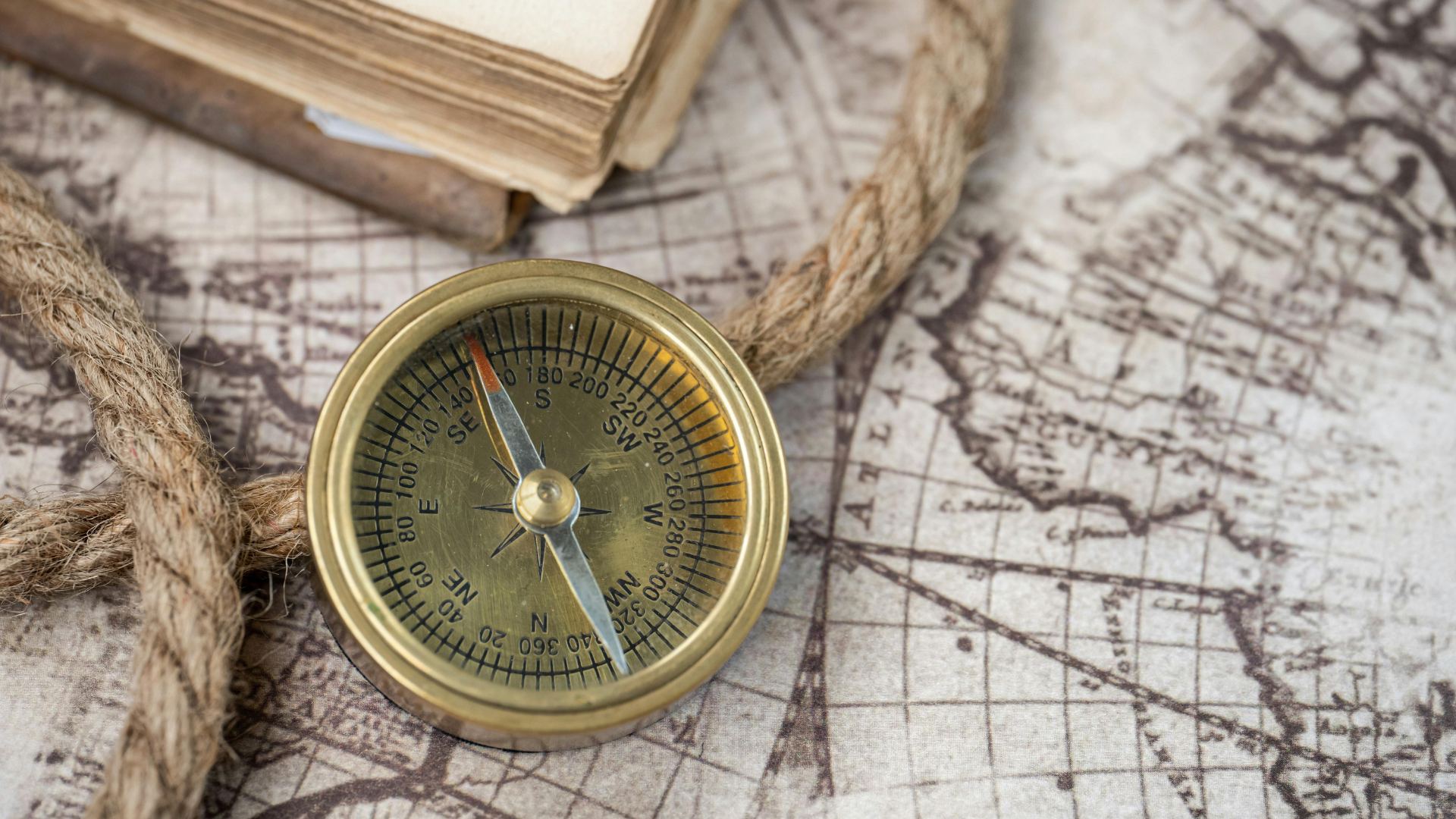
It is often said that history and geography are two sides of the same coin. You simply cannot truly understand why events happened in the past unless you understand where they happened. Without a firm grasp of geography, historical events seem to occur in a vacuum. This is why historical maps are one of the most powerful, yet frequently underutilized, tools in the homeschool classroom.

Teaching the entire span of human history can feel utterly overwhelming. Where do you even begin when you have thousands of years, hundreds of civilizations, and multiple continents to cover? Many homeschool parents fall into the trap of trying to cover everything perfectly, which inevitably leads to burnout by the time they hit ancient Mesopotamia. The secret to teaching world history at home is to focus on deep connection rather than exhaustive coverage. Here is a stress-free, highly effective framework for bringing world history to life.
For generations, the standard method of teaching history has been a relentless cycle of memorizing dates, names, and battle locations. Students cram information into their brains for a Friday test, pass it, and promptly forget everything by Monday morning. This happens because history is too often presented as a collection of sterile, disconnected data points. But history isn't a spreadsheet; it’s the grandest, most dramatic story ever told. When we shift from a data-first approach to a narrative-first approach, we unlock a completely different level of learning.